
Factory · How the work is organised

Where your products are made.

HACOLD is a manufacturing partner, not a listing service. Development and production run through partner factory units that are selected for the order, with HACOLD accountable for the brief, the sample record and the quality decision.

This page sets out how the work is organised, what is checked at each stage, and which evidence you can request before the order is placed.

Get a quote
What you can verify

Production-unit identity, the approved sample record, inspection results and packing evidence for your order.

What stays project-specific

Capacity, timing, certification scope and commercial terms, confirmed against the style and the unit running it.

What we do not publish

A factory count or a blanket capacity figure. Neither describes fit, responsibility or risk for your order.

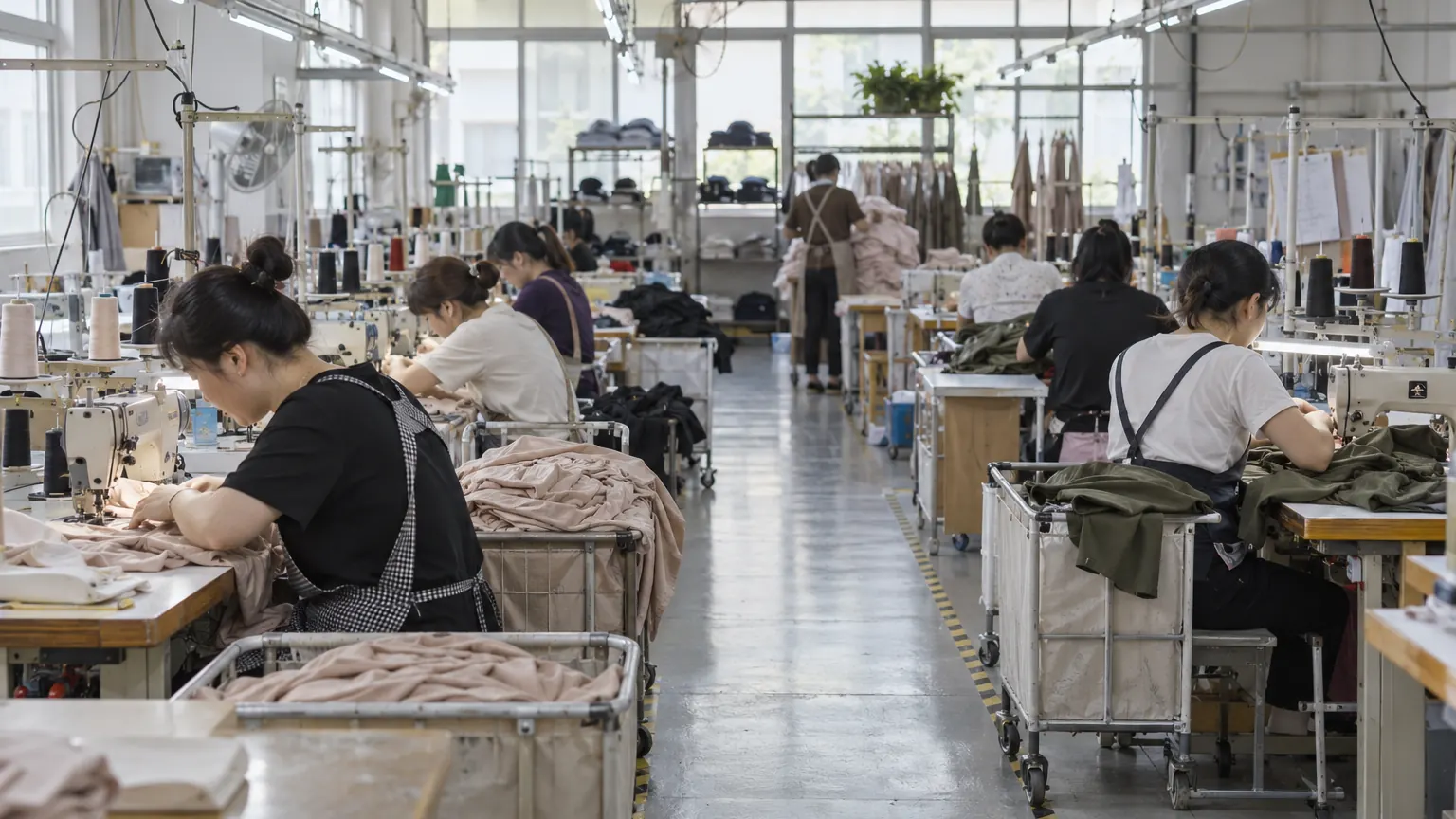
Machinists working at industrial sewing stations with garment bundles and trolleys in a practical apparel workshop.
Illustrative workflow imagery, not documentary proof of a named production unit. Request dated photos, video or an on-site review for the unit proposed for your order.
Sample roomPattern, sample sewing and fitting review
Cutting → dispatchOne traceable path per order
In-line + final QCChecked before packing, not after
Repeat ordersRun against the approved sample record

Factory overview

How our production network is organised.

A long supplier list does not reduce risk on its own. What reduces risk is knowing which unit made your order, what it was qualified on, and who answers when something changes.

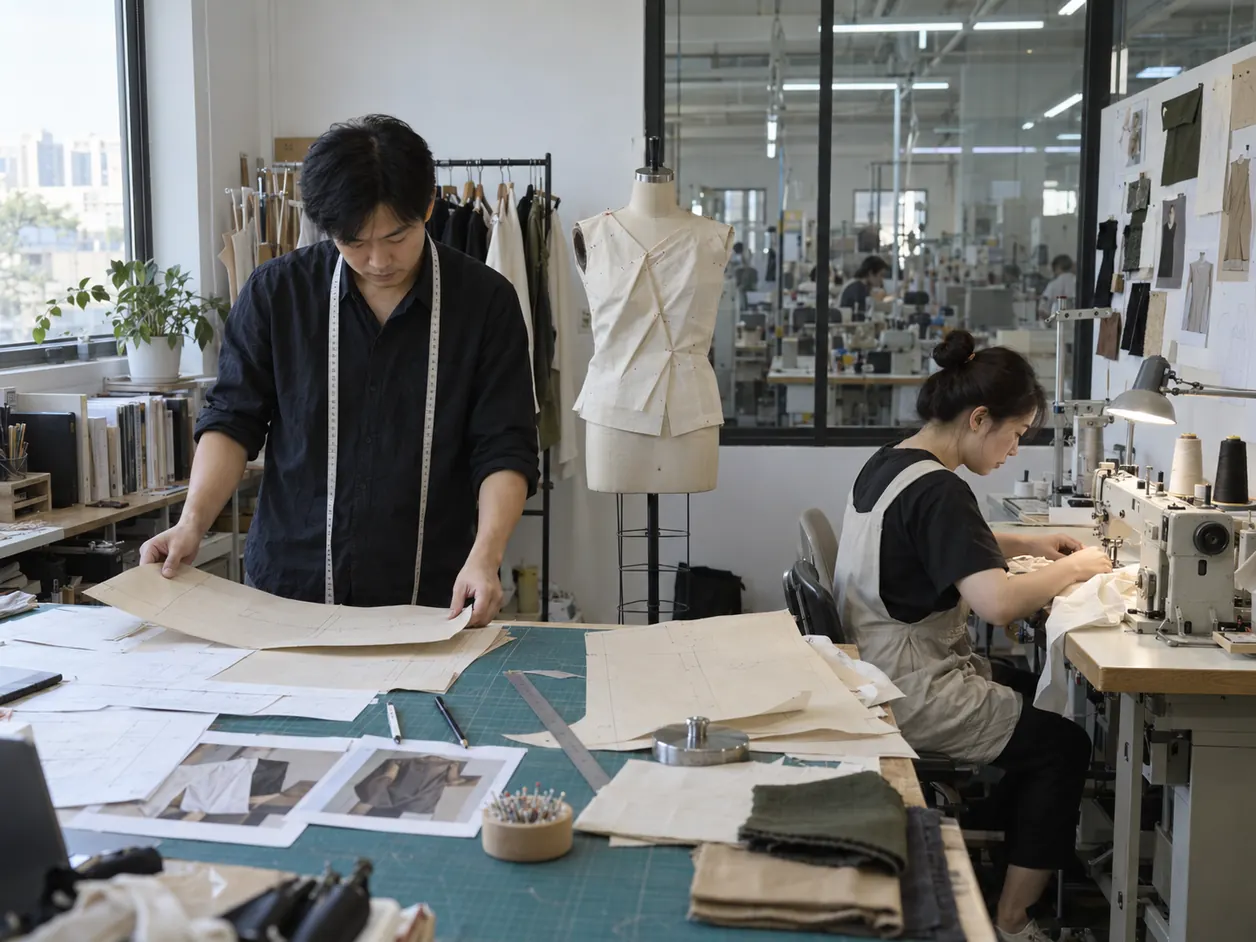
Three product-development colleagues reviewing a womenswear sample, paper patterns and fabric swatches together.
01

Development desk

HACOLD owns the brief, the pattern direction and the approval decision that releases production.

  • Reads your tech pack, sample or reference material
  • Records every sample comment against the current round
  • Holds the approved sample as the production reference
Working apparel production unit with machinists, industrial sewing stations, garment bundles and trolleys.
02

Production unit

A partner unit is proposed for the order, qualified against what the style actually requires.

  • Category and construction experience for the style
  • Sewing operations the order depends on
  • Quality records and current production load
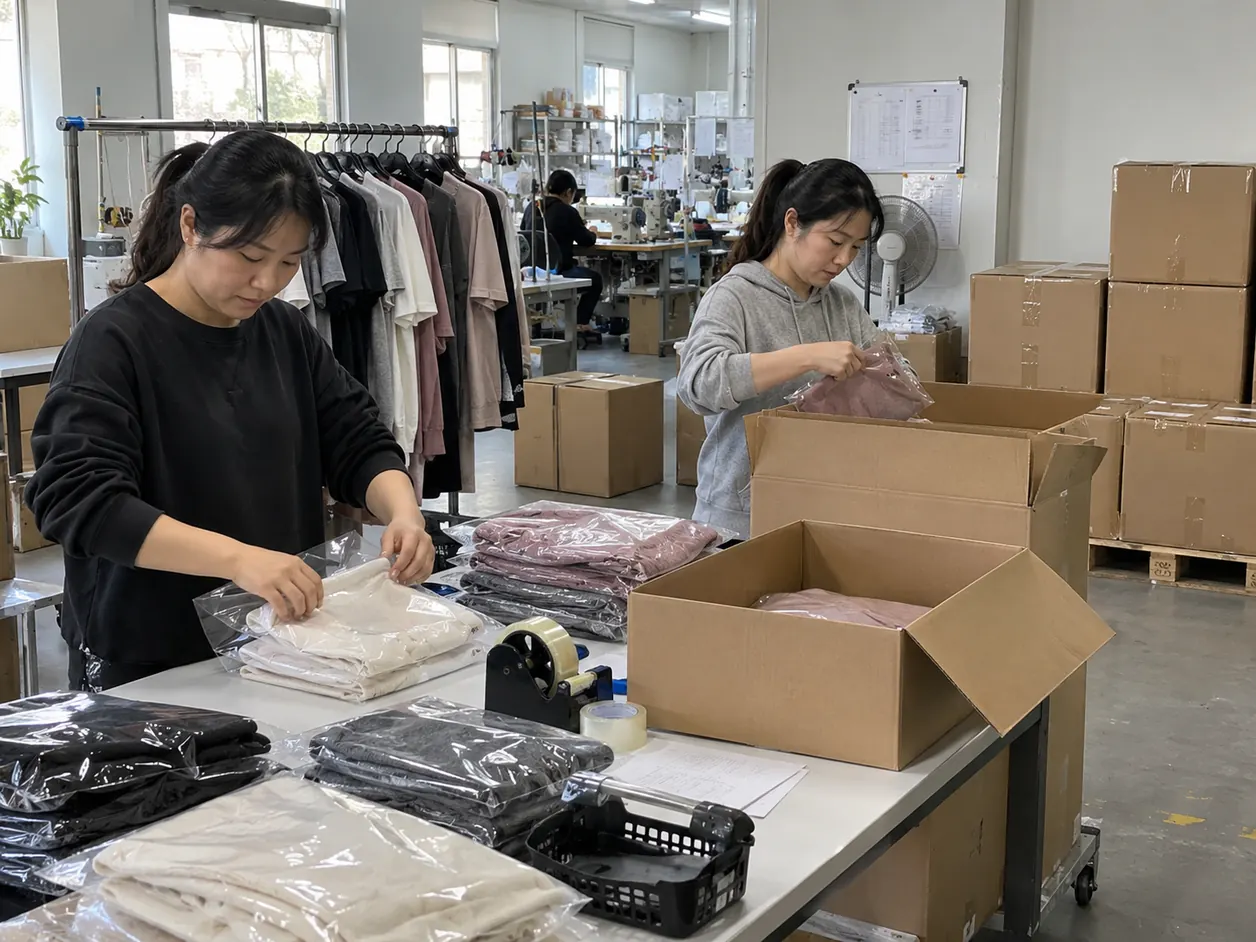
Workers folding and polybagging finished garments beside open cartons in a compact dispatch area.
03

Quality and dispatch

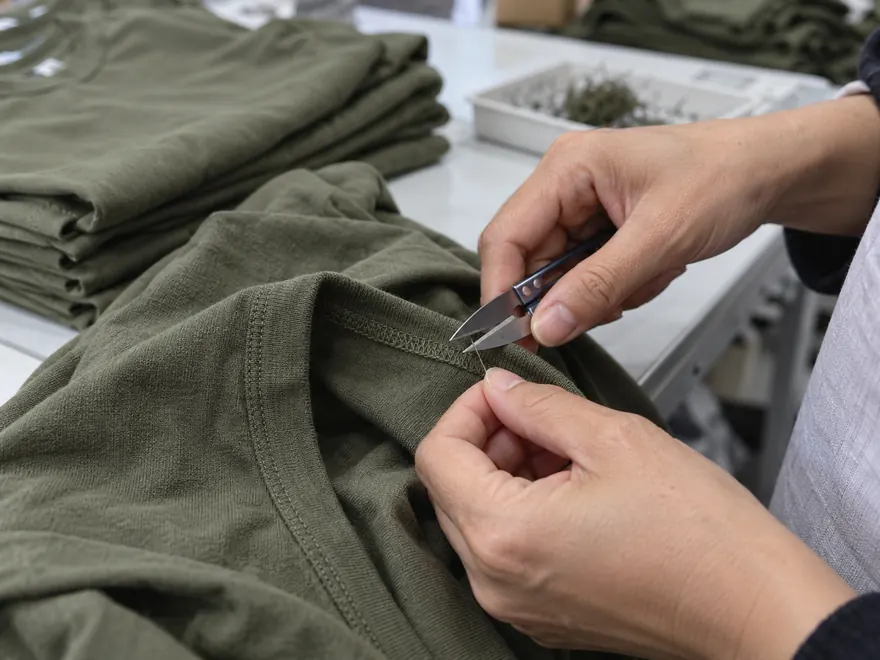
Checkpoints run through cutting, sewing and finishing, then continue into packing and shipment.

  • Findings recorded with affected quantity and owner
  • Re-check completed before the order moves on
  • Packing, carton marks and shipping documents prepared

A unit is reviewed against the category, construction, quantity and finish your order actually needs. That review is repeated when a new order shape enters the picture.

Production capabilities

What the production route covers.

Capability is written as the operations we work with, then confirmed for your style. A listed operation is not a claim that every unit offers it on every order at every time.

Merchandising and artwork

The desk that runs across every stage, from the first sample comment to the packed carton.

Order follow-up
A merchandiser is named for your order and tracks it through sampling, material booking, production and dispatch — the route for every decision that needs your input.
Artwork and label files
Hangtag, woven label, care-label and fibre-content artwork prepared from your brand files and checked against the order before anything is printed.
Specification sheets
Measurement charts, bill of materials and packing instructions written up for the style and kept current as the order changes.
Sample round tracking
Every sample comment logged against the round it belongs to, so an approved change is not lost by the time the next round is cut.

Cutting and preparation

Everything that has to be right before the first stitch is sewn.

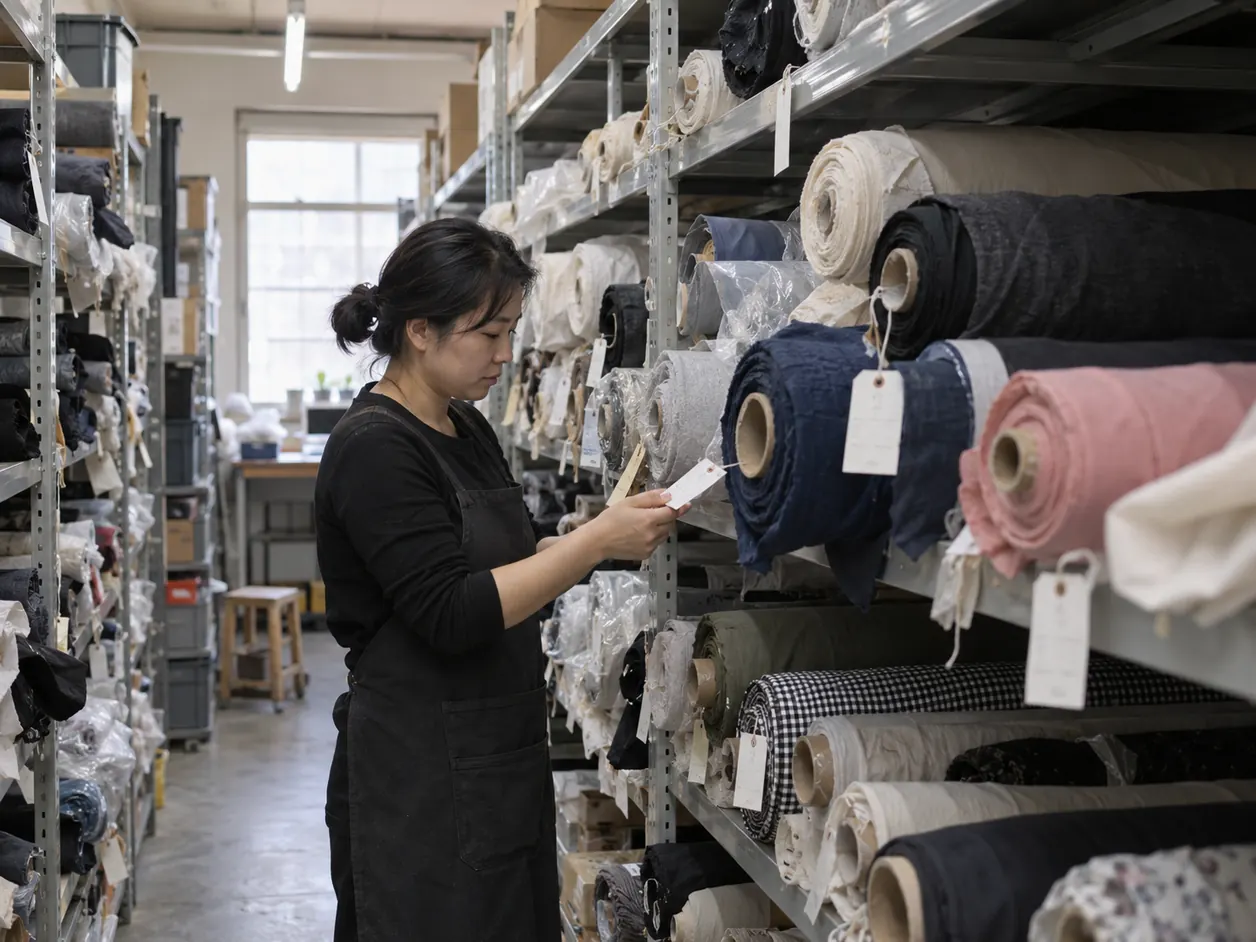
Incoming material check
Fabric and trims checked for width, shade and visible defects against the approved standard before spreading.
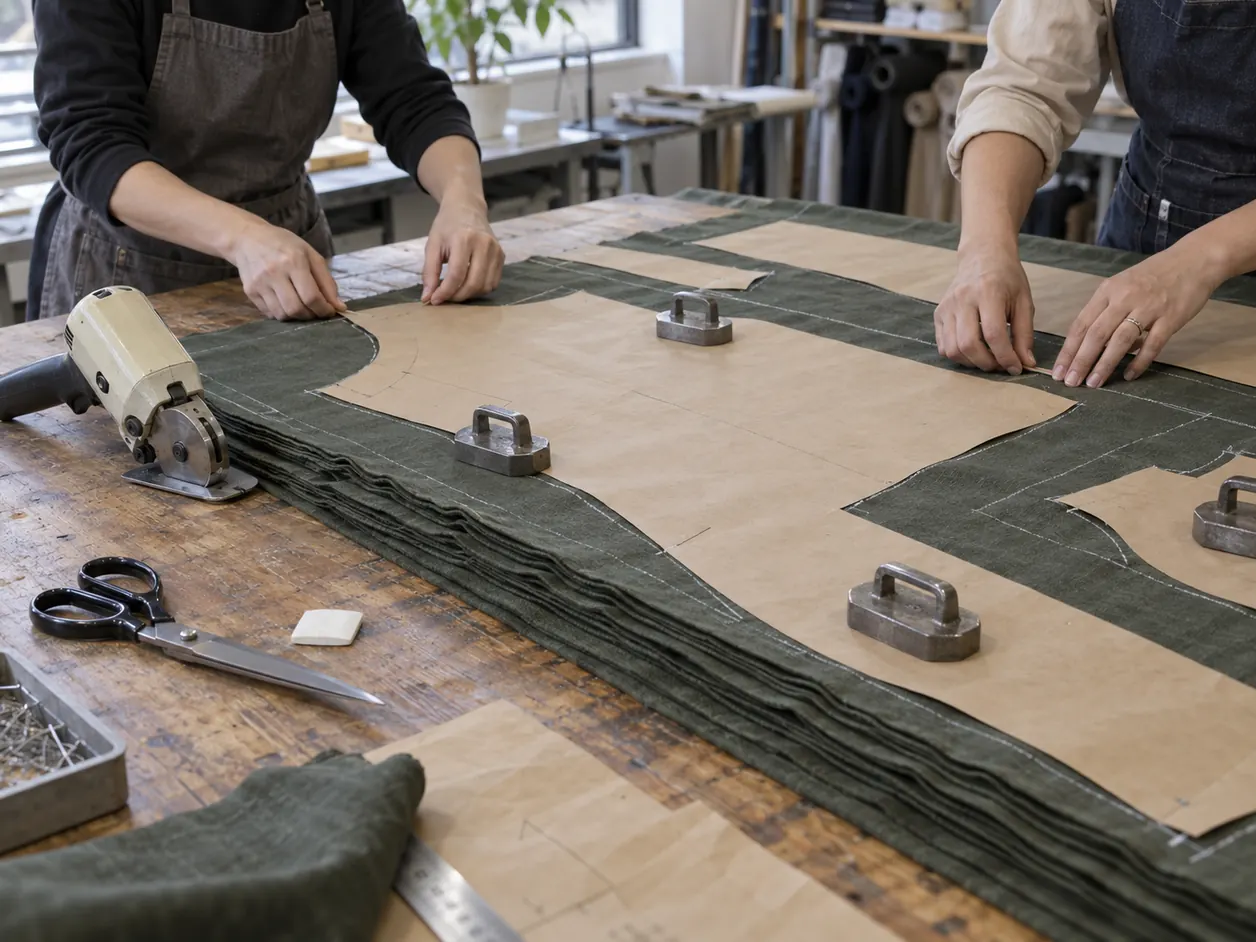
Marker and spread
Marker laid for the style and the size ratio you ordered, then spread and cut to plan.
Panel bundling
Cut panels numbered and bundled so a bundle can be traced back to the order and the shade band.

Sewing operations

The operations the current womenswear categories depend on most.

Lockstitch
Main seams, hems, topstitching and structural joins.
Overlock
Edge finishing and seam neatening on cut edges and side seams.
Cover stitch
Neck ribbing, hems and stretch seams on jersey styles.
Buttonhole
Buttonholes cut and sewn on plackets, cuffs and waistbands.
Button attaching
Buttons, snap fasteners and rivets set to a fixed position and tension.
Bar-tack and reinforcement
Stress points — pocket mouths, belt loops, placket ends — reinforced with bar-tacks.

Finishing and packing

The stages that decide how the garment arrives, not just how it is sewn.

Thread trimming
Loose thread removed on every garment before it reaches inspection.
Pressing and shaping
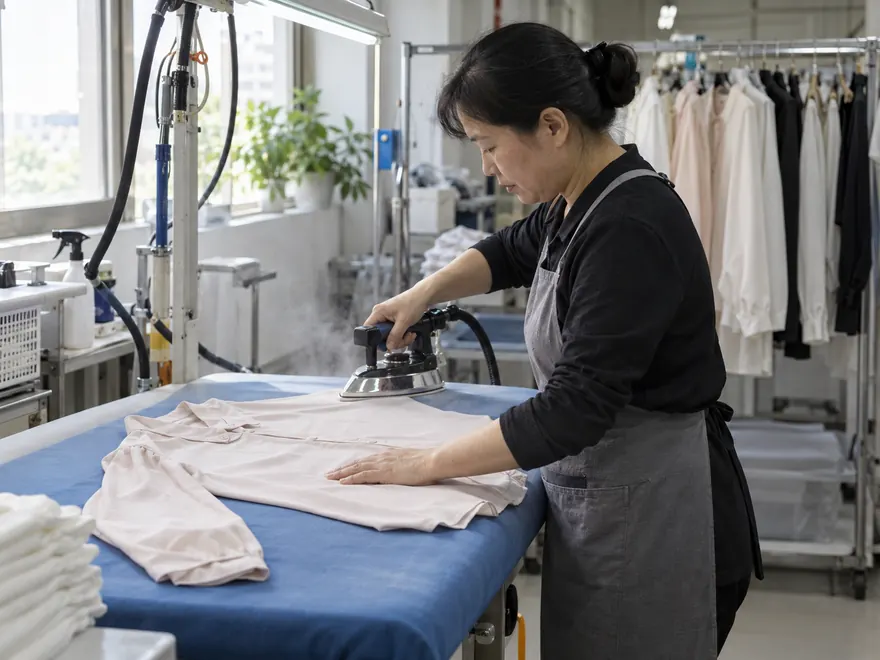
Steam pressing and final shaping checked against the approved sample.
Packing
Folding, polybag, hangtag and size assortment prepared to your packing instruction.
Carton and marks
Carton build, shipping marks and packing list prepared for collection.

Which operations apply, and to what standard, is confirmed for the style once the construction, quantity and finishing requirement are known.

Development and sample room

The sample room: where the product is agreed.

Every style passes through pattern work, sample sewing and a fitting review before bulk is released. The approved sample, not a verbal agreement, becomes the reference production is measured against.

Pattern maker reviewing paper patterns beside a dress form while a sample machinist works nearby.
01

Pattern and grading

A paper pattern is developed from your tech pack, your supplied sample or a developed block, then graded across your size range.

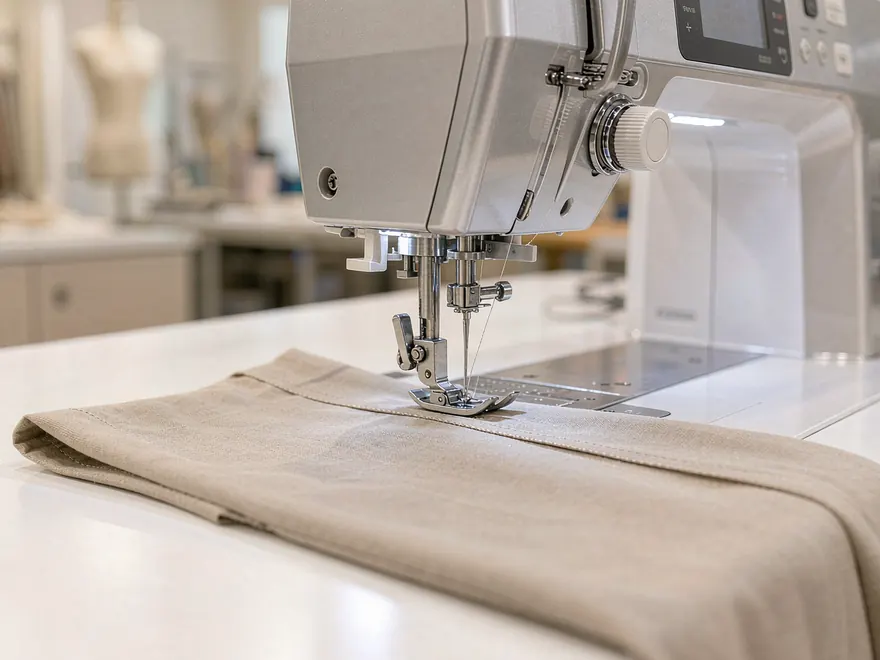
Sample machinist sewing a single garment in the sample room.
02

Sample sewing

The sample is made in the intended material, so fit, balance and finish are judged on the real construction rather than a stand-in.

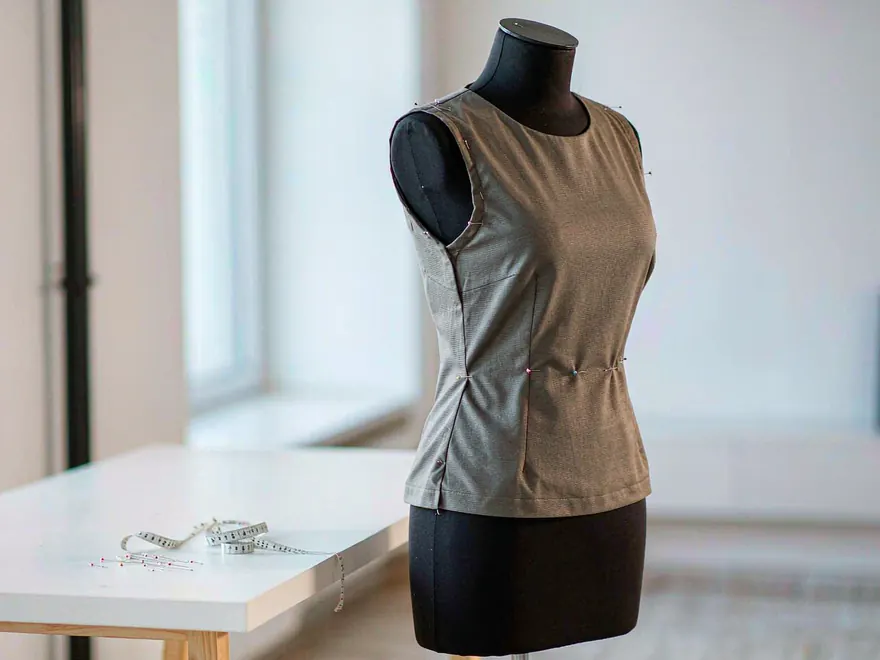
Garment pinned on a dress form during a fitting review.
03

Fitting review

Measurements, fit and balance are reviewed against your brief, and every comment is recorded against the current sample round.

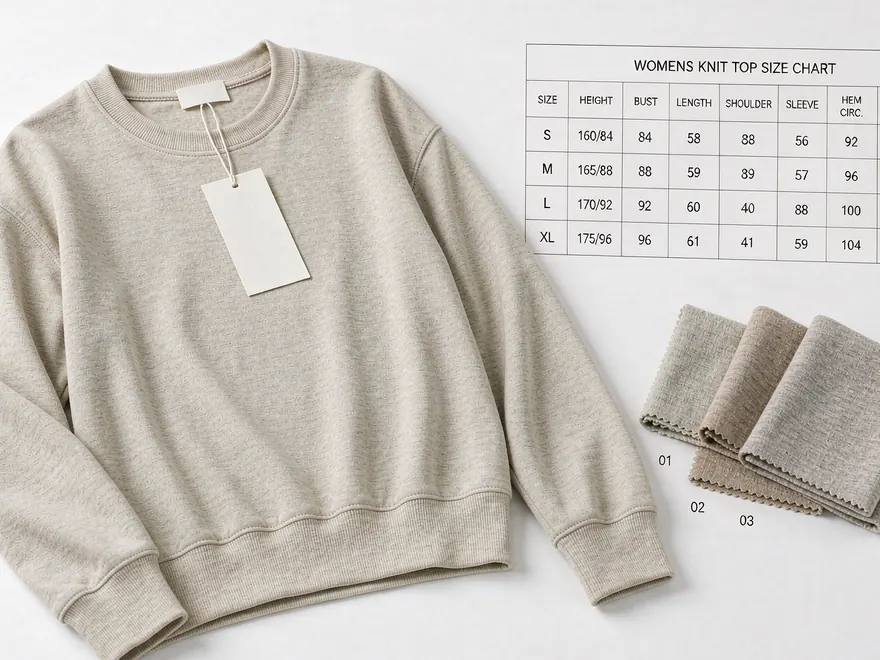
Approved sample garment with hangtag and measurement record on the review table.
04

Approval record

Once you approve, the sample, its comment set and its measurements are sealed as the reference bulk production is measured against.

Sampling runs about 3 working days from a tech pack, drawing or approved reference sample, and about 5 working days when the starting point is reference images and a written brief.

Bulk production flow

From order confirmation to shipment.

Each stage has an owner, an output and a decision that has to be settled before the next stage begins. That is what keeps a shipment date from depending on goodwill.

  1. 01

    Order confirmation

    Style, materials, quantity, colourways, packing and delivery terms are recorded before any material is booked.

    Owner: HACOLD
  2. 02

    Material booking

    Fabric, trims and labels are ordered against the confirmed bill of materials, with lab dips approved first.

    Owner: materials
  3. 03

    Pre-production sample

    One garment is made on the bulk line from bulk material and approved before cutting is released.

    Decision gate
  4. 04

    Cutting

    Marker, spread and cut panels are checked against the approved size ratio and shade banding.

    Owner: cutting
  5. 05

    Sewing

    Bundles are issued to the line and tracked through each operation to the finished garment.

    Owner: production line
  6. 06

    In-line inspection

    Checks during sewing catch a fault while it can still be corrected on the same bundle.

    Quality checkpoint
  7. 07

    Final inspection

    Finished garments are measured and inspected against the approved sample and your quality requirement.

    Quality checkpoint
  8. 08

    Packing and dispatch

    Pressing, folding, packing, carton marks and shipping documents are prepared for collection.

    Owner: dispatch

On the floor

The stations your order passes through.

The stages of the flow above, seen where they happen — from booked material to sealed cartons, with the desk that tracks the order across all of them. Every stop can be shown on a live video walkthrough or an on-site visit.

Quality control

How quality is checked at each stage.

Each checkpoint produces a record. When a batch fails, the finding, the affected quantity, the correction and the re-check are written down before the order moves on.

01

Incoming material

Fabric and trims checked for shade, width, handfeel and visible defects against the approved material reference.

02

Cut panel check

Panel count, shape and numbering verified before bundles leave cutting, so a mistake is caught at the cheapest point.

03

In-line check

Workmanship is checked at defined intervals during sewing, so a repeat fault is stopped before it runs down the line.

04

Final inspection

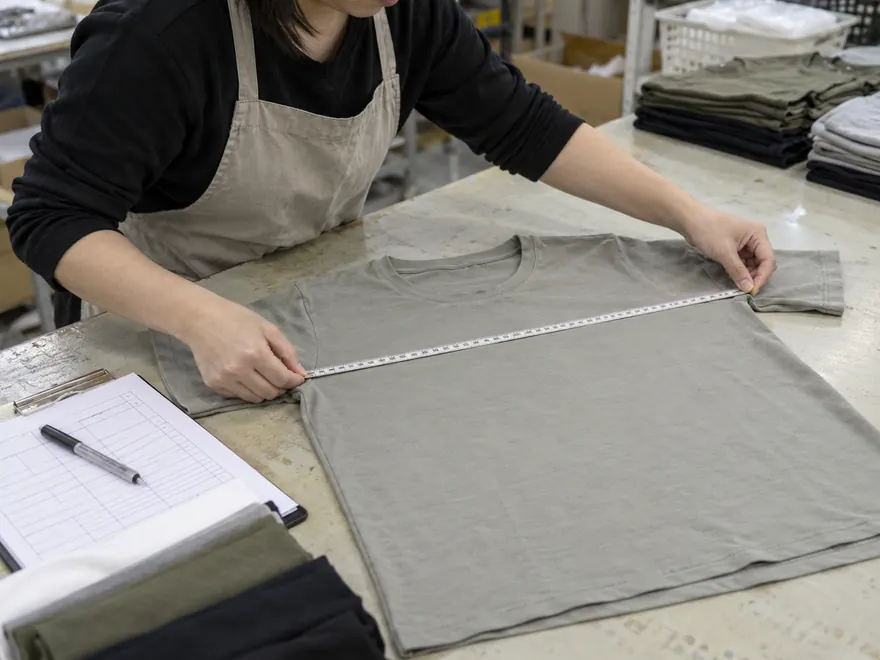
Measurement audit against the approved chart, plus a workmanship, appearance and packing check on the finished order.

Where a finding crosses the tolerance agreed for your order, the affected batch is held, the quantity is identified and the correction is agreed with you before production continues.

Read how a claim is raised and resolved after delivery Review the quality decision framework

Bulk orders and repeat business

What makes a repeat order easier.

Once a construction is approved it becomes the baseline. Repeats run against the sealed sample and the recorded materials, so a reorder does not reopen decisions that were already settled.

01

Scale inside a confirmed band

Order quantities move within our working range of 200 to 500 pieces per style. Where a style lands is set by the fabric, the construction and the number of processes involved.

02

Reorder continuity

Material, colour and construction references stay with the style record, so a repeat runs against the approved run instead of a fresh interpretation.

03

Range extension

New colourways, added sizes and follow-on styles extend from an approved base rather than restarting pattern and sample work from nothing.

Certification and audit

How certification is checked for your order.

A certificate only helps when its scope matches. A document issued to a different site, an expired version, or a standard that does not cover your market does not protect your order.

Before an order is placed we confirm which current documents the production unit holds for your category, and pass the copies to you for review.

01

Business identity

Business licence and production-unit identity for the site that will handle your order.

02

Social compliance

A current social-compliance audit report, where your market or your own buyer requires one before placing an order.

03

Product testing

Fibre composition, colourfastness, dimensional stability and restricted-substance reports from a recognised testing laboratory.

04

Inspection procedure

The unit’s own inspection procedure and the records it produces on your order, from in-line checks through to final inspection.

No certification list is published here as a standing claim. Ask for the document relevant to your order and it is provided for you to check the scope, the issuing body and the expiry date yourself.

Documents and compliance support

Documents we can prepare for your order.

Beside unit-level certification, these documents are produced in the normal course of an order. Each one is confirmed for the order before it is issued, and each one is something you can check against the goods themselves.

01

Inspection reports

In-line and final inspection records per shipment, with the acceptance level agreed for the order and findings written up with affected quantity and owner.

02

Third-party testing

Fabric composition, colourfastness and restricted-substance testing arranged through accredited third-party laboratories, reported in the format your market requires.

03

Material declarations

Bill of materials with fibre content, trim sourcing and care-labelling basis, kept consistent with what the order was actually built from.

04

Sample records

Sealed sample references, measurement charts and the full comment-and-revision history for every sampling round.

05

Packing and shipping documents

Packing list, carton marks and shipping document set prepared per shipment for your forwarder or inspection agent.

06

Audit access

The production unit making your order is open to your nominated third-party audit or your own checklist, scheduled through HACOLD.

Document availability and format are confirmed for the order and the destination market. Nothing on this page replaces the certificate review above: certificates are always checked against the production unit actually making your order.

See how a buyer due-diligence pack is completed

Factory review

Review the factory remotely or in person.

Buyers who cannot travel still need to see how their order is made. Both routes stay open before the order and during production.

01

Live video walkthrough

A scheduled call through the sample room or the production floor, with the station your order runs on shown on camera.

02

On-site visit

A factory visit arranged around your dates, with the relevant unit prepared for the checklist you bring.

03

Third-party inspection

Your nominated inspection company can be booked for a final random inspection before the order is shipped.

04

Recorded checkpoints

Photographs and video at defined stages: sample approval, cutting, in-line check, final inspection and packing.

Factory questions

What buyers ask before they visit.

View all buyer questions Evaluate factories on the same criteria
01How many factories does HACOLD work with?

We do not publish a factory count. A number does not describe product fit, responsibility or risk. What matters is which unit is proposed for your order, what it was qualified against, and how a problem reaches a decision.

02Can I see the factory before I place an order?

Yes. A live video walkthrough, a scheduled on-site visit or a third-party inspection can all be arranged. Which route suits depends on your location, the stage of the project and what your own buyer requires.

03Which certifications apply to my order?

That is confirmed against the unit producing your order. Some categories and markets need a social-compliance audit, others a restricted-substance or fibre-composition test report. Current copies are provided for your review before the order is placed.

04How much can you produce?

Capacity and timing are confirmed per project rather than published as a standing figure. MOQ runs from 200 to 500 pieces per style, set by the fabric, the construction and the process count, and repeat orders continue on the approved construction.

05What happens when a defect is found in production?

The affected batch is held, the quantity is identified, and the correction is agreed with you before the order continues. The finding, the correction and the re-check result are recorded, so the same fault does not reappear in a repeat order.

Start the project conversation

Ask which unit would make your order.

Send the category, the construction and the quantity context you are working with, and we will tell you which production route fits and what evidence comes with it.

Send an inquiry

Two steps, then review. Text only; no file uploads.

  1. Step 1 of 2 Fit check
  2. Step 2 of 2 Details
01 Initial fit check

Start with five required details. Add your project requirements next, then review before sending.

Choose the closest current category. Construction and supplier fit still require review.

Enter the buyer's working estimate, or “Not confirmed.” This is not an MOQ statement.

Add a website or phone Optional

A link to your brand or company site helps the review start with real context.

Include a number if you would like us to reply by phone or WhatsApp.

Nothing is sent from step 1. The detailed specification comes next.

When you select “Send RFQ”, the text fields are emailed to HACOLD and stored in the private inquiry dashboard for follow-up; short-lived pseudonymous request metadata is used for abuse control. Email and WhatsApp remain available as backup channels. Do not include confidential files until a separate handling method is agreed.